In the 1970s, scientists discovered that the Inuit (Eskimos) people of Greenland were some of healthiest people in the world. Their diet was very high in fat from eating whale, salmon, and seal, but they had far fewer health problems (coronary heart disease, arthritis, diabetes, etc.) than other Europeans. Scientists concluded that Omega-3 was the determining factor in the Inuit people’s superior health.
Similar results were found in Iceland. People in Iceland have fewer problems with heart disease, stroke and high blood pressure than any other nation in the world. They also have the longest life expectancy and the lowest infant mortality rate in the world. Again, scientist attributed this to high intake of Omega-3 fish oils (particularly DHA and EPA).
Studies have shown that Omega-3 has numerous health benefits, ranging from brain function to heart health. Here is information on a few of the benefits of Omega-3 fish oils.
BRAIN
Why is Omega-3 a “brain booster”?

The majority of the brain is made up of “good” fats knows as fatty acids, and the majority of this “good” fat is Omega-3. Studies have shown that diets rich in Omega-3 can result in
increased learning ability, problem-solving skills, focus, memory, and communication between cells. Omega-3 has also been shown to help
promote a positive mood and emotional balance, and can help people maintain healthy mental ability as they age.
How does Omega-3 actually help the brain?
Within the brain are neurons (cells which transmit messages throughout the brain and to other parts of the body). The membrane (or wall) around these neurons is made up of “good” fat. In order for the neurons to communicate properly, these membranes need to be flexible to allow vital molecules to pass through. Several factors, including age and diets high in cholesterol and saturated fats, can cause these membranes to stiffen and be less pliable. This stiffness does not allow the needed molecules to pass through the neurons correctly and can result in mood imbalances, difficulties in learning, difficulties in recalling information, and other decreases in brain function.
By supplementing your diet with Omega-3 you can restore the flexible and pliable nature of the cell membranes to the neurons in your brain, resulting in increased cell communication and brain function. In addition, Omega-3 benefits brain function by acting as a blood cleanser, making the blood less sticky and more fluid. This allows more oxygen to reach the brain and in essence “feeds” the brain.
HEART AND CIRCULATION

Dozens of studies have shown that Omega-3 has a positive affect in maintaining a healthy heart. The FDA issued a statement that “supportive but not conclusive research shows that consumption of EPA and DHA omega-3 fatty acids may reduce the risk of coronary heart disease.” One serving of Omega-3 Brain Booster provides 500 mg of EPA and DHA omega-3 fatty acids. [See nutrition information for total fat, saturated fat, and cholesterol content.]
Omega-3 can also promote a healthy cardiovascular system, including healthy veins and arteries. Omega-3 may help red blood cells maintain their flexibility, allowing them to flow more fluidly.
OTHER HEALTH BENEFITS
Omega-3 may help promote:
- Joints and mobility
- Skin and complexion
- Immune system
- Visual function
- Ability to breath
- Positive behavior in children
- Function of the nervous system
- Spatial function and spatial memory
- Cellular communication
- Weight maintenance
Alzheimer’s Disease, Dementia
A study conducted at the Rush-Presbyterian-St. Luke's Medical Center reports that elderly people can reduce their risk of developing Alzheimer’s disease by increase their intake of fish oil (DHA). Researchers from Boston University and Tufts University School of Medicine have shown that there is a clear association with low blood levels of Omega-3 DHA and Alzheimer’s disease.
Arthritis
More than a dozen published controlled clinical trials have shown the benefits of fish oil supplementation in patients suffering from rheumatoid arthritis.
Comparing the results of multiple studies, researchers from Harvard Medical School have concluded that fish oil significantly reduces the effects of arthritis, including joint point and morning stiffness.4
Asthma
It is estimated that 20-25 percent of children suffer from one or more symptoms of asthma at some point in their life. A study at the University of Wyoming found that fish oil supplementation may be effective in treating asthma. Participants in the study who took fish oil supplements showed a significant improvement in their ability to breath and their resistance to asthma attacks.
Attention-deficit hyperactivity disorder (ADHD)
Researchers have concluded that ADHD is caused by a deficiency in certain long-chain fatty acids, namely DHA. Studies have shown that dyslexia, dyspraxia (problems with coordination and muscle control), and ADHD seem to be closely related. They have also found that Omega-3 DHA supplementation may help children with dyslexia, dyspraxia, and attention-deficit hyperactivity disorder.
Blood Pressure, Cholesterol
After conducting extensive controlled trials, researchers at Harvard Medical School found that fish oil supplementation lowers blood pressure levels in people suffering form hypertension and high cholesterol levels, but does not affect blood pressure in people with normal blood pressure.8
A study conducted in Australia clearly shows that a weight-loss diet in tandem with daily fish oil intake is highly effective in lowering blood pressure, reducing triglyceride levels while increase good cholesterol levels. HA supplementation may restore normal blood vessel function in children who inherit high cholesterol. Because of its positive affect on lowering blood pressure, Omega-3 fish oil is recommended to prevent vascular disease related to diabetes.
Cognitive Function
Researchers found that people with high levels of Omega-3 EPA and DHA have increased cognitive function (ability to learn, think and remember) compared to those with lower levels of Omega-3. This same study also shows that Omega-3 can help preserve cognitive function.
Cystic Fibrosis
Daily supplementation with fish oil has been found to lessen many of the symptoms of cystic fibrosis.
 Depression
At least three clinical trials have shown that depressed patients who increase their intake of fish oil have shown a marked improvement in their mood. Researchers have concluded that fat-restricting diets can cause a decrease in the intake of Omega-3 fatty acids. Because Omega-3 fatty acids are crucial for the proper functioning of the nervous system, low-levels of Omega-3 can cause increased risk of depression, violence, and suicide. A study conducted in Japan showed that supplementation with DHA reduced aggression among healthy Japanese students.
Diabetes
Fish oil has been found to be useful in the prevention of vascular disease in diabetics. A study conducted by researcher at Texas Woman's University and the University of Texas Medical Center has concluded that fish oil can lower cholesterol triglycerides in diabetics, without having a negative affect on glycemic control.
Emphysema
A study conducted at the University of Minnesota found that fish oil can help prevent emphysema.
General Health
Research conducted over the last 20 years demonstrates that Omega-3 is an essential element of human nutrition.
Heart Disease, Stroke
The American Heart Association has concluded that fish and fish oils help prevent several cardiovascular diseases including heart attacks, sudden cardiac death, strokes, and coronary artery disease.
A study conducted at the University of Washington reports that intake of Omega-3 EPA and DHA can significantly reduce the risk of cardiac arrest.
Several studies have shown that men who eat fish regularly can protect against stroke. An additional study found that women who intake fish oil regularly have a significantly reduced risk of stroke.
Inflammatory Bowel Disease (Crohn’s disease)
Researchers at the University of Bologna found that fish oil supplementation can help prevent relapses in patients who suffer from Crohn’s disease.
Kidney Disease
A study at the Mayo Clinic in Minnesota found that fish oil supplementation can slow the progression of kidney disease.
Lupus
Researchers have found that Omega-3 can help manage the symptoms of lupus.
Macular Degeneration
Age-related macular degeneration (AMD) is the leading cause of blindness in the United States. A high intake of DHA has been shown to greatly reduce the risk of AMD.
Menstrual Cramps
A study conducted at the University of Cincinnati Medical Center found that girls who took fish oil supplements suffered less pain from menstrual cramps and consumed less pain killer tablets (ibuprofen).
Prostate Cancer
Studies show that intake of fish oil can reduce the risk of developing prostate cancer.
Psoriasis
A randomized, double-blind study found that fish oil supplementation taken orally resulted in a significant reduction in symptoms caused by psoriasis, a common skin disease.
Schizophrenia
Studies have shown that Omega-3 can help reduce the symptoms of people suffering form Schizophrenia.
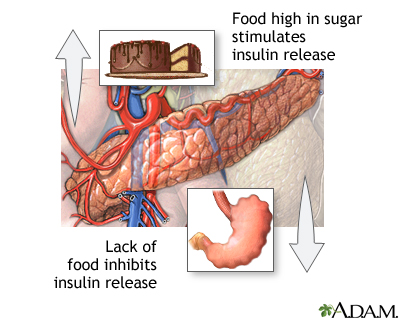
 Este interesant de observat faptul ca insulina se pare ca joaca un rol important in procesul de imbatranire. Studiile desfasurate pe mai multi centenari au indicat faptul ca unul dintre foarte putinele lucruri pe care le au acestia in comun este nivelul scazut al insulinei in sange. Acesta ar putea fi, macar partial, un mod diferit de a spune ca subiectii respectivi au niveluri de glicemie scazute - iar acesti centenari au intr-ader glicemii scazute - dar se pare ca insulina joaca in procesul de imbatranire un rol independent de cel al glucozei.


